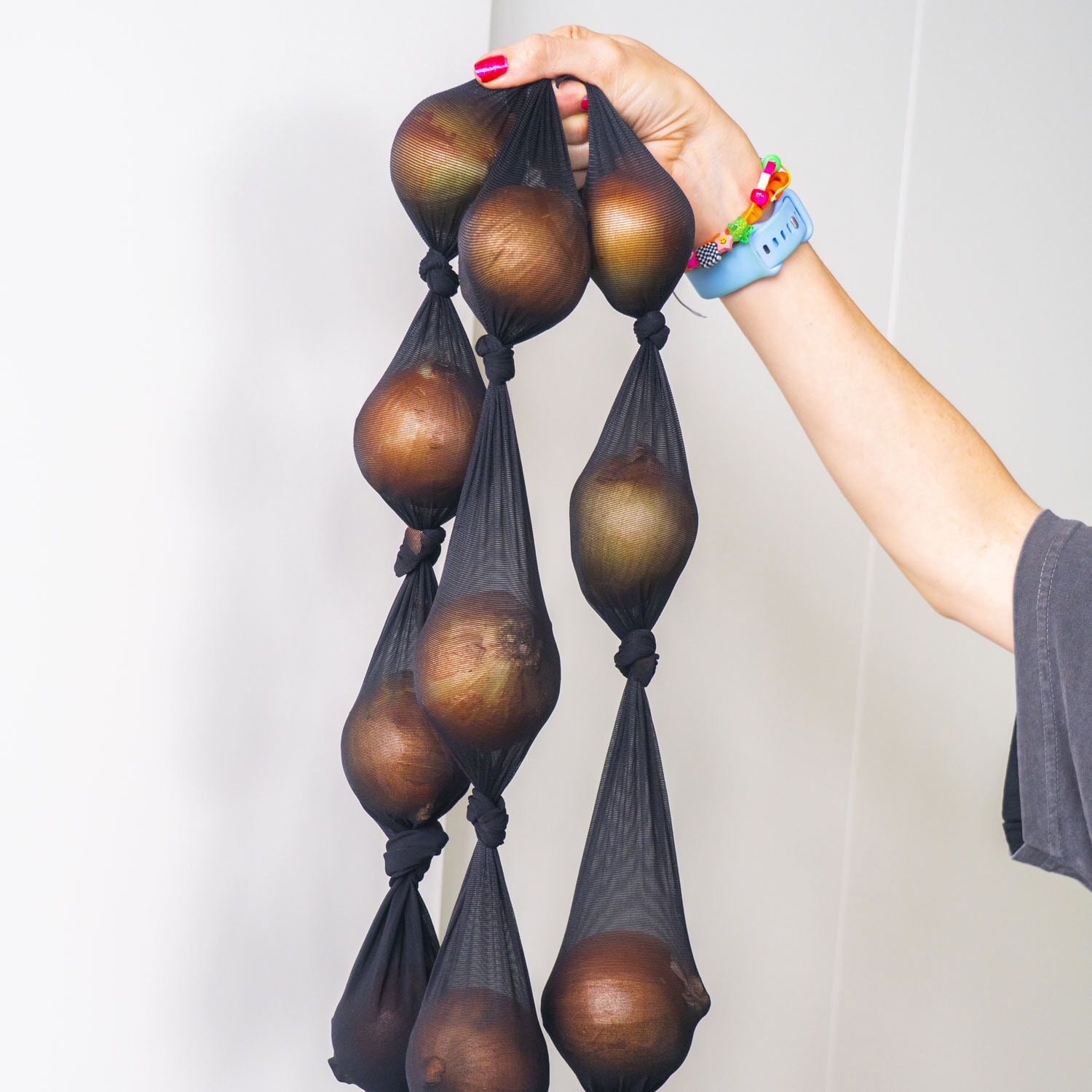
Keep Onions Fresh Up To 6 Months: The Easy Pantyhose Trick
Tired of reaching for an onion only to find it sprouting defiant green shoots, or worse, becoming a soft, sad mess in your pantry? You’re not alone. For many home cooks and gardeners, keeping onions fresh for more than a few weeks feels like a culinary mystery. Supermarket plastic bags suffocate them, while a simple bowl often leaves them susceptible to moisture and early spoilage. But what if we told you there’s an incredibly simple, old-fashioned trick that can extend the life of your onions by up to six months, saving you money and dramatically reducing food waste?
Enter the humble pantyhose. Yes, really! This unexpected storage method leverages basic principles of airflow and separation to create an optimal environment for your onions, keeping them firm, flavorful, and free from rot for far longer than you might imagine. Whether you’re a home gardener with a bountiful harvest or a savvy shopper buying in bulk, mastering how to store onions for months with this ingenious pantyhose storage hack is a game-changer.
The Secret to Long-Lasting Onions: Why Pantyhose Works Wonders
While it might sound unconventional, using pantyhose to store onions is a time-tested method rooted in practical science. Unlike traditional storage methods like baskets or bowls where onions can sit piled up, inhibiting crucial airflow and potentially spreading rot from one onion to another, pantyhose offers several key advantages:
- Optimal Air Circulation: The breathable, mesh-like fabric of pantyhose allows air to circulate freely around each individual onion. This constant airflow is vital for preventing the buildup of moisture, which is the primary culprit behind sprouting, mold growth, and premature spoilage.
- Individual Separation: By tying knots between each onion, you create distinct compartments. This clever separation means that if one onion starts to go bad (which is less likely with this method), the spoilage won't immediately spread to its neighbors. It acts as a natural containment system, ensuring the health of the entire batch.
- Dark, Dry Environment: When hung in a cool, dark, and dry place (like a pantry or basement), the onions are shielded from light and humidity, two major factors that accelerate sprouting and decay.
- Space-Saving and Accessible: Storing onions in a long 'snake' allows for efficient use of vertical space, and the 'snip-as-you-go' retrieval method makes accessing your freshest onion incredibly convenient.
This low-tech, zero-cost (if you reuse old pantyhose!) solution provides an ideal microclimate for onions, mimicking the conditions necessary for long-term dormancy.
Your Step-by-Step Guide: How to Store Onions Using Pantyhose
Ready to embrace this ingenious storage hack? Follow these simple steps to transform a pair of pantyhose into an onion preservation system that will keep your bulbs fresh and firm for months.
1. Selecting the Right Onions for Storage
The journey to long-lasting onions begins with selection. Not all onions are created equal when it comes to extended storage. To ensure success, always choose:
- Fully Cured Onions: This is paramount. Cured onions have dry, papery outer skins and firm, constricted necks. If you've grown your own, ensure they've been cured for 2-4 weeks post-harvest (more on this below).
- Dry and Clean: Ensure onions are completely dry to the touch, free from any soil or moisture.
- Firm and Intact: Only store onions that are firm with no soft spots, cuts, bruises, or signs of mold. Even a tiny blemish can compromise the entire batch. Skip any with green tops already sprouting.
2. Preparing Your Pantyhose
Grab a clean pair of pantyhose – don’t worry about runs or snags, they won’t affect its storage power! Lay them flat on a surface. Using a pair of scissors, carefully cut off each leg right at the top of the thigh. This gives you two long tubes to work with. You can also use the waistband section, but the legs are generally ideal for holding a good number of onions. Once you have your leg, tie a tight knot at the very end of the toe opening. This creates the secure base for your first onion.
3. Creating Your Onion 'Snake'
Now comes the fun part!
- Take one leg of the prepared pantyhose.
- Drop the first onion all the way down to the knotted end, ensuring it sits snugly against the knot.
- Once it’s nestled, tie a second tight knot directly above the onion. This secures it in place and creates a separate compartment.
- Repeat the process: Drop another onion into the pantyhose, push it down until it rests against the knot you just tied, and then tie another knot above that onion.
- Continue this pattern until the entire pantyhose leg is full, or you've used all your suitable onions.
You’ll end up with a long, segmented 'snake' of onions, each individually encased and separated by a knot.
4. Optimal Storage Conditions
Once your onion 'snake' is complete, the final crucial step is finding the perfect storage spot. For onions stored in pantyhose to reach their full six-month potential, they need a cool, dark, and dry environment with consistent airflow. Ideal locations include:
- A well-ventilated pantry or cupboard: Away from direct sunlight and heat-generating appliances.
- A cool basement or cellar: These are often ideal due to stable temperatures and humidity.
- A garage: As long as it doesn't experience extreme temperature fluctuations (freezing or sweltering).
Hang your onion snake from a hook, nail, or a sturdy clothesline. The key is to keep them off the floor and allow air to circulate all around them.
5. Snip When Needed
When you need an onion for cooking, simply snip the pantyhose just below the lowest onion with a pair of scissors. The onion will drop out, and the knot above it will prevent the others from falling, leaving the rest of your supply perfectly intact and ready for future use!
Maximizing Longevity: Curing, Varieties, and Best Practices
While the pantyhose method itself is remarkably effective, understanding a few additional best practices can significantly boost your onions' shelf life and prevent common issues.
The Crucial Art of Curing Onions
Before any onion even touches a pantyhose leg, proper curing is absolutely essential for long-term storage. Curing is the process of drying the outer skins and necks of freshly harvested onions, preparing them for dormancy. This creates a protective barrier that seals in moisture, prevents sprouting, and safeguards against mold and bacteria.
If you're harvesting your own onions:
- Do not remove the leaves: After harvesting, spread your onions out in a single layer on a surface in a well-ventilated space. Keep the tops attached during this stage.
- Ideal Conditions: Choose an area free from direct sunlight and excessive humidity. A shaded porch, a garage, or a well-ventilated shed works perfectly.
- Duration: Allow onions to cure for 2 to 4 weeks, or until their outer skins are papery dry, the necks are tight and shriveled, and the green tops have completely dried down. Once cured, you can trim the tops to about an inch above the bulb and brush off any loose dirt.
Best Onion Varieties for Long-Term Storage
When it comes to longevity, not all onions are created equal. The varieties best suited for extended storage using the pantyhose method are typically the more pungent types, often those harvested in autumn. The higher concentration of sulfurous compounds in these onions acts as a natural preservative, helping them resist spoilage.
- Yellow Onions: These are the champions of storage. Varieties like Ebenezer, Yellow Globe, and Downing Yellow Globe are excellent choices. Their robust flavor and dense structure make them ideal for months of freshness.
- White Onions: Certain white varieties, such as Southport White Globes (especially those with small, tight necks), also store well.
- Red Onions: Some red varieties, like Southport Red Globe and Wethersfield, can also be stored long-term, though often not quite as long as yellow onions.
Mild or "sweet" onion varieties (like Vidalia, Walla Walla, or Texas Supersweets) have a higher water content and fewer pungent compounds, meaning they have a much shorter shelf life. These are best consumed within a few weeks of harvest and are not suitable for the pantyhose method. For a deeper dive into selecting and preparing your onions, including specific varieties and comprehensive curing techniques, explore our Pantyhose Onion Storage Guide: Best Types & Curing For Longevity.
Pitfalls to Avoid for Prime Onion Storage
Even with the best intentions and the perfect pantyhose setup, a few common mistakes can undermine your efforts to preserve onions:
- Do Not Refrigerate: Storing whole onions in the refrigerator is a common mistake. The cold, humid environment of the fridge will quickly turn them soft and mushy, and shorten their shelf life. Only refrigerate cut onions, and even then, use them within a few days.
- Avoid Plastic Bags: Plastic bags trap moisture, creating a perfect breeding ground for mold and rot. Never store whole onions in sealed plastic.
- Keep Away from Potatoes: Onions and potatoes are notoriously bad neighbors. Potatoes release moisture and ethylene gas, which can accelerate sprouting in onions. Store them separately, ideally in different areas of your pantry or home.
- Don't Store Damaged Onions: As mentioned, any onion with a soft spot, cut, or blemish should be used immediately, not stored long-term, as it will inevitably spoil and potentially affect others.
Conclusion
Embracing the pantyhose onion storage trick is more than just a quirky hack; it’s a practical, eco-friendly, and highly effective way to extend the life of your onions, reduce food waste, and save money. By providing optimal airflow and individual separation in a cool, dark, and dry environment, this simple, old-fashioned method ensures your onions remain fresh and flavorful for up to six months. So, the next time you find an old pair of pantyhose, don't toss them – transform them into your secret weapon for onion longevity!
